Winter Weather Preparedness Checklist for Borough Residents
October 10, 2026 - News

October 10, 2026 - News
October 08, 2026 - Community
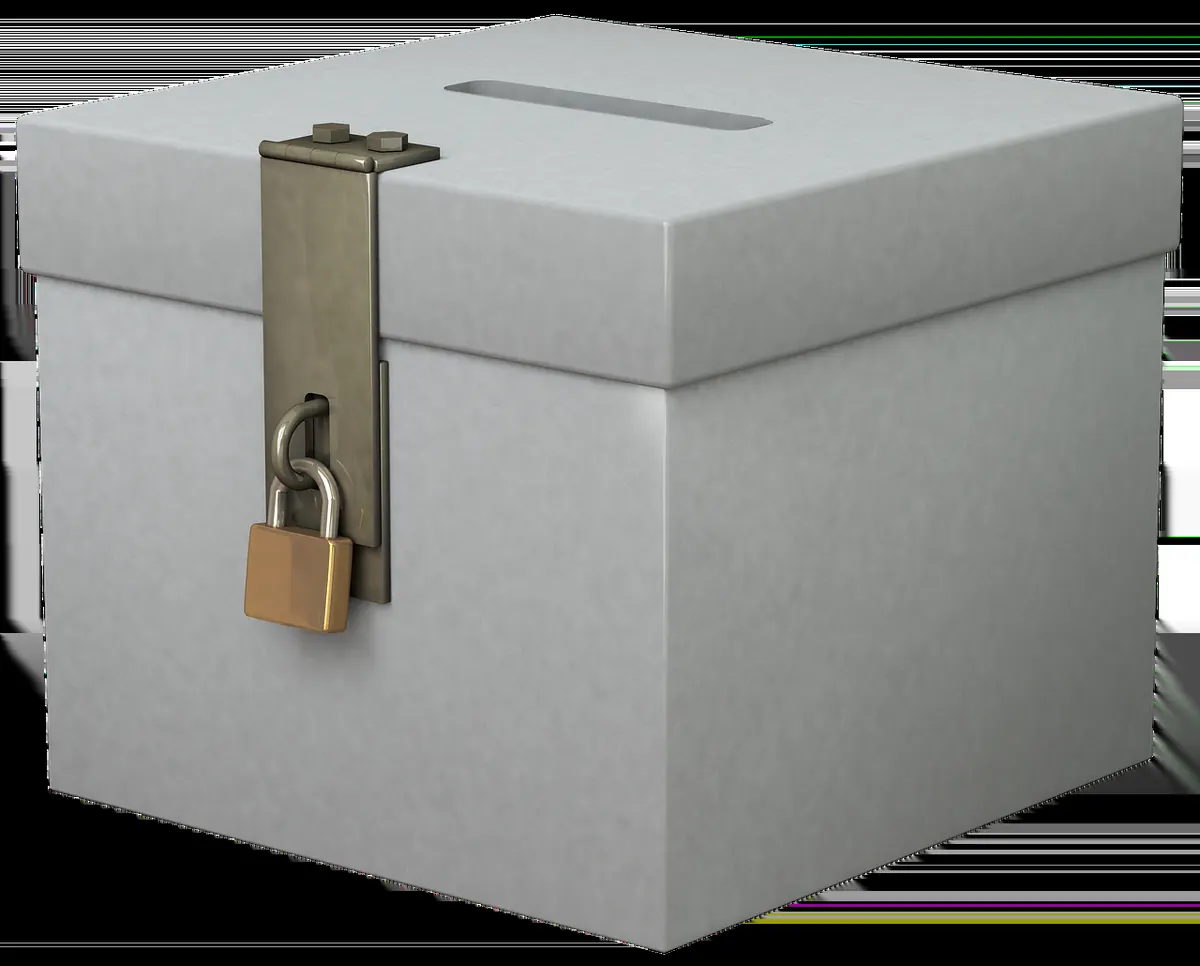
Borough elections are decided by margins that would embarrass a bigger race. A few dozen ballots can move a council seat, a school budget, or a zoning decision that shapes your street for the next decade. And yet every cycle, otherwise organized people show up at the wrong polling place, or discover at 7:45 p.m. that their registration lapsed after a move. None of it is complicated. Most of it is a list, worked through in order, a few weeks early.
Do this even if you are certain you are registered. Voter rolls are cleaned up regularly, and the most common reasons a name disappears are a move that was never reported and a long stretch without voting. If you have skipped several cycles, confirm your status rather than assuming.
Deadlines vary by state. Many close registration two to four weeks before election day. A smaller number allow same-day registration at the polls or during an early-voting window. Your county board of elections is the authority here, not the borough office, so check their website or call them directly and write the date down.
A new address usually means a new polling place, and in many places it means you must update your registration before the cutoff. Updating your address with the post office does not update your voter record. These are separate systems, and this trips up more people than anything else on this list.
Residency rules for students, people in temporary housing, and anyone who splits time between two addresses differ from place to place. Ask your county board which address qualifies you and whether you need any documentation. It is a two-minute question with a concrete answer.
What counts as acceptable identification depends entirely on where you live. Some states require photo ID with very few exceptions. Others ask for ID only from first-time voters who registered by mail. Others require no document at all. National headlines about ID laws are not a reliable guide to your polling place, so check your own state's rule.
Commonly accepted forms include:
Bring two forms if you have them. Expiration dates matter more than people expect: some states accept IDs expired within a set number of months, others accept none. If you arrive without acceptable ID, you are generally still entitled to cast a provisional ballot, and you can often fix the problem afterward. Ask the poll worker what the cure process is before you leave the building.
Polling locations change more often than residents expect. A church hall closes for renovation, a school goes remote for a day, a precinct gets split after redistricting. Look yours up in three places if you want certainty: your county board of elections website or the state voter portal, the sample ballot or voter card mailed before the election, and a phone call to the borough clerk or county board.
Then check the entrance, not just the address. Community centers and schools frequently have several doors, and the polling room is not always the one facing the street. If you use a wheelchair, walker, or stroller, ask about accessible parking and the accessible entrance.
Polls typically open early in the morning and close in the evening. If you are in line when closing time arrives, you generally still get to vote. Stay in line.
You may bring a marked sample ballot or notes for yourself in most places, but campaigning, handing out literature, or wearing candidate gear inside the polling place is prohibited nearly everywhere. Voters who need assistance can usually bring someone to help, though rules about who qualifies vary, so ask ahead if that matters to you. Curbside voting is available at many locations for voters who cannot easily get inside.
If you plan to vote by mail, request your ballot as early as you can. In most places you must request one rather than receiving it automatically, and request deadlines usually fall a week or two before election day.
The return deadline is where most mail ballots fail, and it is not the same everywhere. Some jurisdictions require the ballot to arrive by the close of polls on election day; others accept it if it is postmarked by then. Read the instruction sheet that comes with your envelope, and if it conflicts with something you read online, trust the envelope and confirm with your county board.
If your ballot is rejected for a signature mismatch or a missing signature, you usually have a short window to fix it. Watch your mail and any official notification in the days after the election.
If your name is not on the roll, if your ID is challenged, or if you are told you already voted by mail when you did not, ask for a provisional ballot. Get the receipt and the instructions for making it count, which typically means showing ID or confirming your registration within a few days. If you think your registration or mail ballot has been misused, contact your county board and your state election office. For legal questions about your eligibility, speak with an election official or an attorney rather than relying on what you hear at the door.
Pick a time that fits your day and commit to it. Mid-morning and early afternoon are usually the quietest stretches; the first hour and the final hour draw the longest lines. Voting takes fifteen minutes when you know where you are going and what you are bringing.
Then think about who on your block might not have that certainty. An older neighbor who is not sure whether her registration survived a move. A new tenant who has never voted here. A coworker working a double shift. A reminder, a ride, or ten minutes on the county website can be the difference between a ballot cast and a ballot missed. Borough government is small enough that the people who show up are the people who decide.
Photo: 8385 / Pixabay
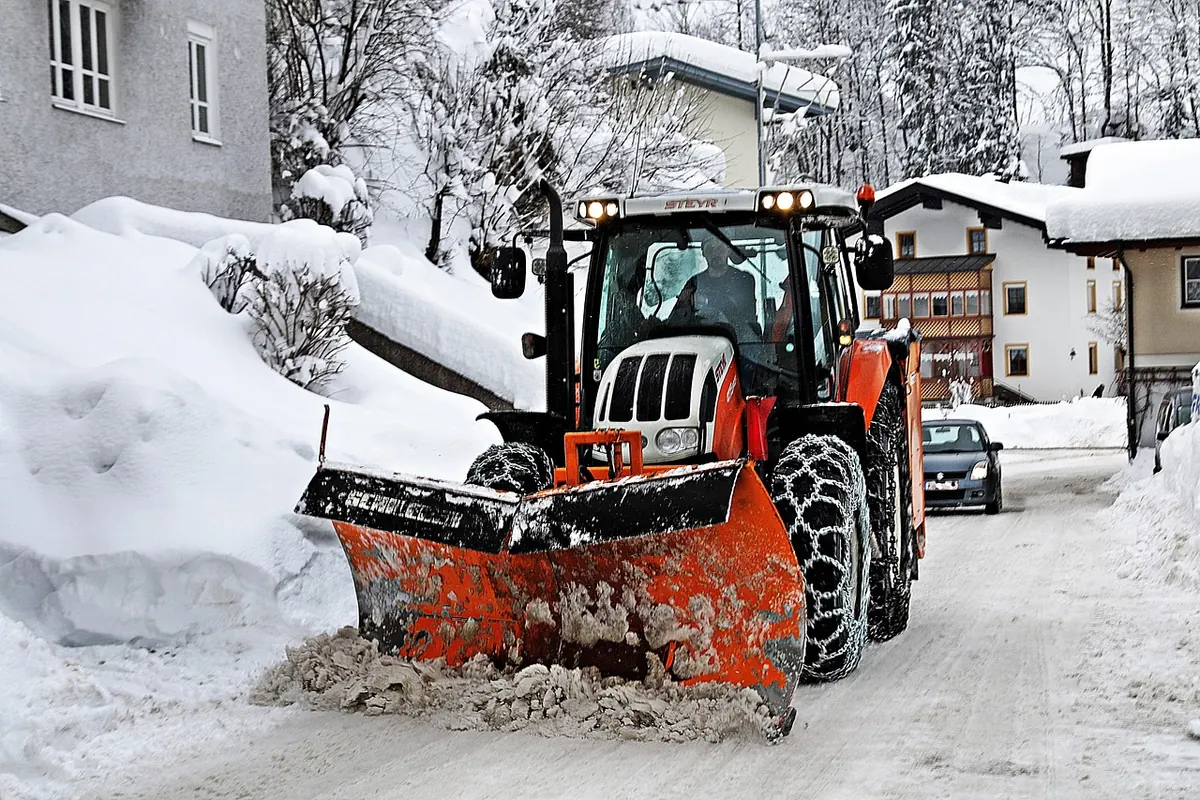
A practical seasonal checklist for borough residents covering emergency kits, snow emergency rules, power outages,...
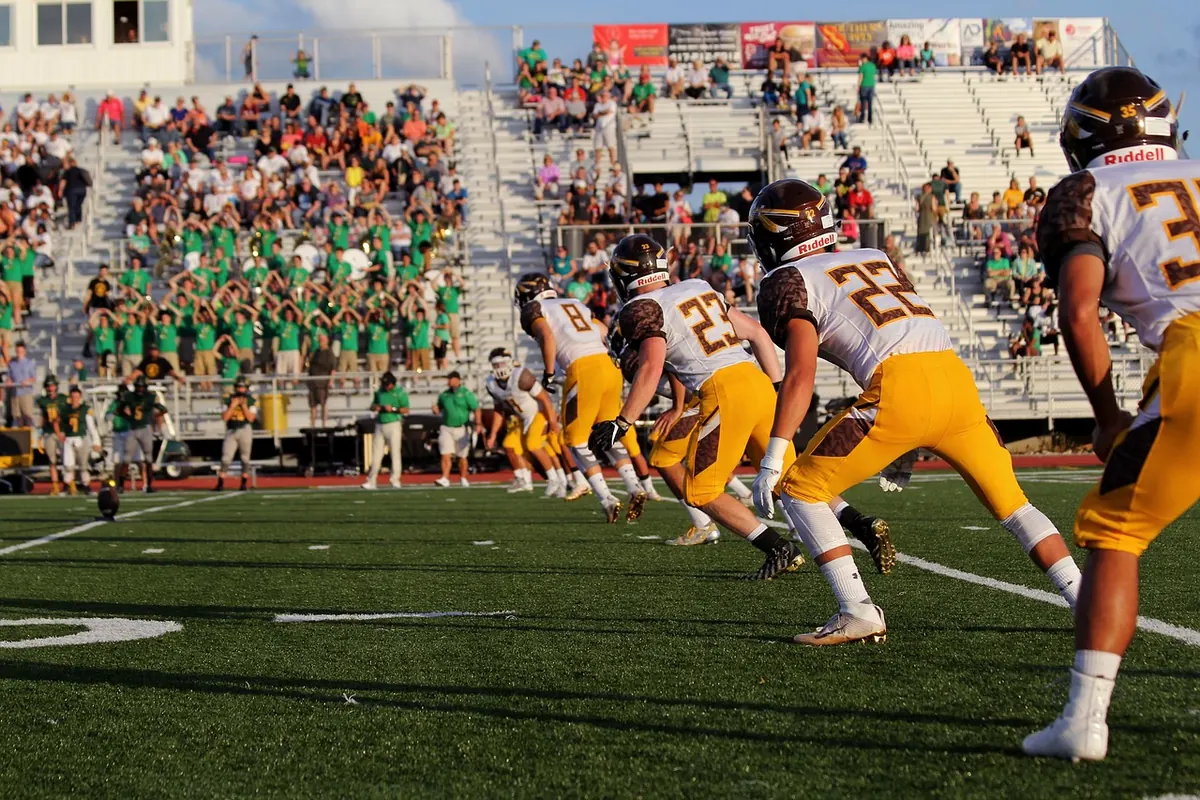
Borough High opens its football season under the lights next month. Here's what to know about the squad, the rivalry...
October 10, 2026 - News
October 08, 2026 - Community
Copyright © 2026 Borough Herald. All Right Reserved.