Winter Weather Preparedness Checklist for Borough Residents
October 10, 2026 - News


October 10, 2026 - News

October 08, 2026 - Community

The agenda for a typical borough council meeting runs three pages. Somewhere in the middle is a line about a stop sign at an intersection you cross every morning. If you have ever driven past the municipal building on a Tuesday night and wondered what was happening inside, the answer is usually something that touches your block: a trash hauling contract, sidewalk repairs, a zoning variance, the police budget.
You are allowed in, and you are allowed to speak. What trips people up is not access but format — knowing when the meeting starts, when your five minutes arrive, and what to do with them. Here is how a borough meeting generally works, and how to prepare if you want to raise something in person.
Most boroughs post an agenda a day or two before the meeting, and state open-meetings laws typically require public notice in advance. Look on the borough website, at the municipal office, or on the board outside the building. Minutes from the previous month are usually posted too, and reading two sets of them tells you more about how your council operates than any handbook will.
Scan for three things: whether your topic is already on the agenda, which comment period fits it best, and which member seems to handle your part of town — the streets committee chair, for instance. That is the person to email afterward, not the one to corner in the parking lot.
Boroughs vary, but the order of business is fairly consistent across most of them. A meeting usually opens with a call to order, roll call, and the Pledge of Allegiance, then moves through something like this:
A small borough may wrap all of that in forty minutes. A larger one routinely runs two hours. If the council needs to discuss personnel, litigation, or real estate, it may go into executive session, but it has to return to public session to vote on anything.
Most councils offer two windows. The first comes early and is limited to items on the agenda. The second, at the end, is open to anything within the council's business. If your issue is not on the agenda, wait for the second window; raising it during the first will likely get you a polite redirect.
Sign in. Many boroughs keep a sheet by the door or ask speakers to fill out a card with name and address. Arrive ten minutes early and ask the borough secretary if you cannot find it.
Expect a time limit. Three to five minutes is common, and some boroughs display a timer. When your time is up, the council president or mayor will tell you — politely, but firmly. Finishing thirty seconds early leaves a better impression than being cut off.
Give your name and address for the record. That is normal procedure, not a trap.
Do not expect a debate. Public comment is not a conversation. Council members may listen, thank you, and refer the matter to staff or a committee. Silence from the dais usually means the point was taken, not dismissed. Watch the minutes a month later to see whether it resurfaced.
If your concern is a specific development application, a variance, or a land-use appeal, the zoning hearing board or planning commission is likely where the formal record is built. Council meetings are a poor place to argue a pending application, and comments made there may never become part of the case file. If your situation involves a dispute with a neighbor or a potential legal claim, speak with an attorney before turning it into a public agenda item.
Check the date, time, and location — some boroughs rotate between the municipal building and a school auditorium. Arrive ten minutes early, sign in, and sit wherever you like; the back rows are fine. Listen through the first comment period to get a feel for the room, then speak when your window opens. If your item is late on the agenda, stay for the vote; that is when you learn the outcome. Before you leave, ask the secretary how to get meeting notices by email, and how to request that an item be placed on a future agenda. Three days later, send a short, courteous follow-up summarizing your point and asking what happens next.
You do not have to become a regular. One clear, respectful five minutes at the right meeting, aimed at the right people, is often enough to move something forward — or at least to find out exactly why it has not moved yet.
Photo: Luis Quintero / Pexels
A practical seasonal checklist for borough residents covering emergency kits, snow emergency rules, power outages,...
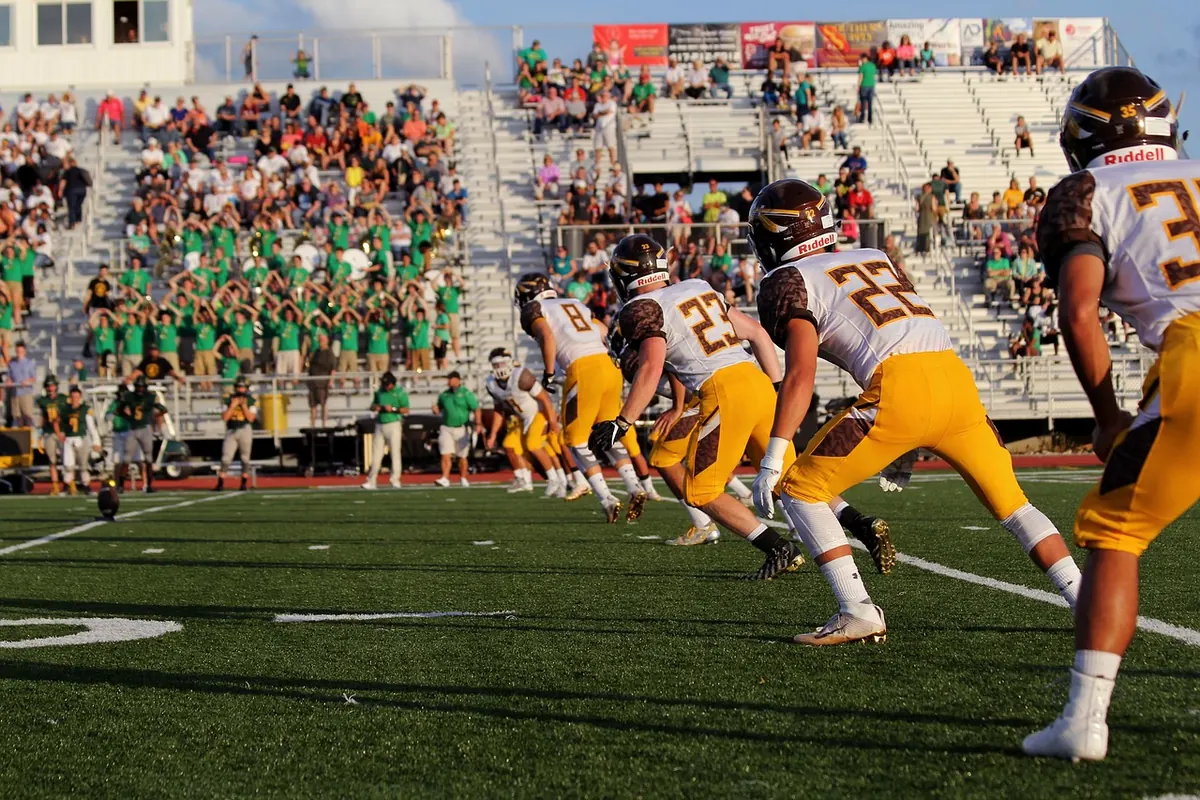
Borough High opens its football season under the lights next month. Here's what to know about the squad, the rivalry...
October 10, 2026 - News
October 08, 2026 - Community
Copyright © 2026 Borough Herald. All Right Reserved.