Winter Weather Preparedness Checklist for Borough Residents
October 10, 2026 - News

October 10, 2026 - News
October 08, 2026 - Community
Every winter, the same thing happens. The forecast calls for a few inches, the bread aisle empties, and by Tuesday the borough is digging out from something else entirely. Preparedness isn't panic. It's spending one quiet afternoon now so that a snow emergency, a downed line, or a burst pipe turns into an inconvenience instead of a crisis. What follows is a checklist built for borough living: narrow streets, older houses, shared walls, and neighbors close enough to help. Work through it this week, then set it aside.
The point of an emergency kit is that it works when you're tired, cold, and not thinking clearly. Build it once, store it somewhere you can reach without a flashlight, and check it twice a season.
If you take medication that needs refrigeration or a powered device, talk to your doctor and your utility now about what to do in an outage. Those conversations are much easier in October than at 2 a.m. in January.
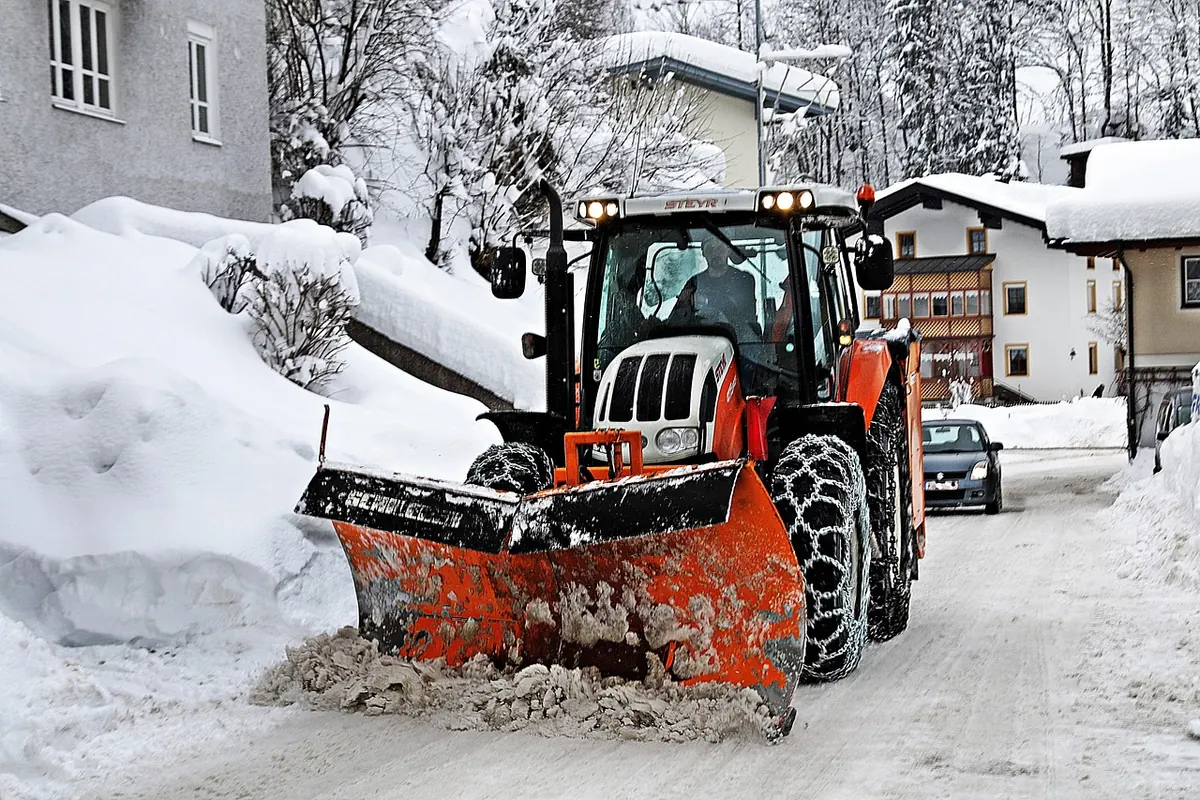
Boroughs tend to use a few different declarations, and they are not interchangeable. A travel advisory asks you to stay off the roads unless necessary. A snow emergency usually triggers parking restrictions on designated routes so plows can clear a full width. A parking ban is exactly what it sounds like.
Find your borough's snow routes before the first storm and know where you're allowed to park. Moving a car after the plows have passed is annoying; having it towed is worse. Sign up for the borough's alert system, whether that's text messages, email, or both, so you hear about a declaration when it's made rather than when a neighbor mentions it.
A few habits that make the aftermath easier:
Shoveling is real exertion. If you have heart or lung conditions, or you're not used to the work, check with a doctor before you take on a wet, heavy driveway, and take breaks.
Report the outage to your utility, then assume it will last longer than predicted. Keep the refrigerator and freezer closed; a full freezer holds its temperature for a good while if you leave the door alone. Unplug televisions, computers, and game consoles so a surge when power returns doesn't finish them off.
Never run a generator indoors, in a garage, or near a window, door, or vent. Carbon monoxide is invisible and it kills people every winter in exactly that setup. Generators belong outside, well away from the house.
If the cold is deep enough to threaten your pipes, let a couple of faucets drip and open the cabinet doors under sinks on exterior walls. If you have a sump pump, know how you'd keep it running, because a power outage during a thaw is its own kind of flood.
Skip candles. Flashlights and battery lanterns don't tip over.
Space heaters cause a large share of winter house fires, and almost all of those fires are preventable.
Install carbon monoxide alarms on each floor and near sleeping areas, test them monthly, and replace them on the schedule the manufacturer gives. If you heat with wood, have the chimney and stove inspected before the season starts, and put ashes in a metal container outdoors, away from the house.
If you smell gas, leave immediately and call for help from outside. For furnace problems, chimney work, or anything involving gas lines or carbon monoxide symptoms, bring in a licensed professional rather than improvising. Headaches, dizziness, and nausea in a heated house are not something to sleep off.
When an outage stretches on or the temperature drops hard, the borough typically opens a warming center, often at a library, community center, or senior center. These are daytime places to get warm, charge a phone, and have a cup of coffee. Emergency shelters are different: they're built for overnight stays, usually with cots and meals, and may ask for identification.
Check the borough website and social media, or call the non-emergency line, for current locations and hours. Bring medication, a phone charger, identification, and a blanket if you can carry one. If you need transportation to a warming center, call early rather than waiting until the situation is urgent.
If you see someone unsheltered during dangerous cold, call the non-emergency line during the day or emergency services if the person appears to be in distress. Don't assume someone else has already called.
Check on older neighbors, anyone living alone, and anyone who depends on powered medical equipment. A knock on the door takes two minutes and is the single most useful thing most of us do in a storm.
Know where your main water shutoff is and make sure it actually turns. Insulate pipes in basements, crawl spaces, and garages. If a pipe bursts, shut the water off first, then call a plumber.
Bring pets inside, and wipe their paws after walks, since road salt and ice melt can irritate and burn. Keep your car's tank at least half full, and never warm it up in a closed garage.
Charge every device. Refill prescriptions. Fill a few water bottles. Set flashlights where you'll find them in the dark. Move the car off the snow route. Text a neighbor to confirm you'll both check in tomorrow.
Then write down the numbers you might need on paper: the utility's outage line, the borough non-emergency line, your plumber, and your pharmacy. Phones die. Paper doesn't.
Winter in a borough is a group project, and the streets are only as clear as the least prepared block. Do your part early, and the storm is just weather.
Photo: ReinhardThrainer / Pixabay
Borough High opens its football season under the lights next month. Here's what to know about the squad, the rivalry...
A practical guide to organizing a neighborhood watch: who to call first, how to run a first meeting, and how to set...
October 10, 2026 - News
October 08, 2026 - Community
Copyright © 2026 Borough Herald. All Right Reserved.