Winter Weather Preparedness Checklist for Borough Residents
October 10, 2026 - News


October 10, 2026 - News

October 08, 2026 - Community
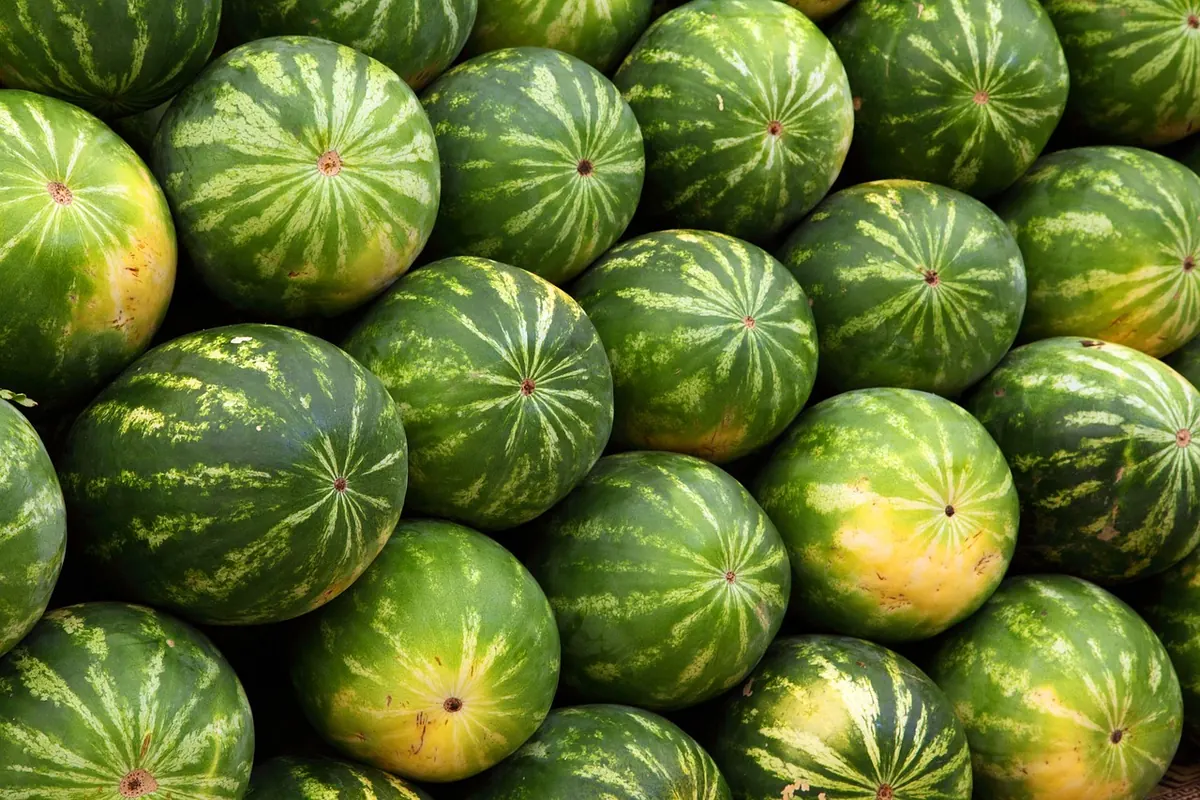
Opening day on the calendar is one thing. The real season begins when the first grower pulls in with a crate of asparagus and a few bags of overwintered spinach, and it ends sometime in November when the last table is holding nothing but carrots, kale and storage onions.
What lands on those tables changes every two weeks or so. This guide walks through the season in order, along with the market-day habits that make a short window go further. Treat the dates as a map rather than a schedule — weather moves everything, and a cool spring can push a crop back by a week or two without warning.
Most markets in the borough open between 8 and 9 a.m. and close between 1 and 2 p.m., with a few weekday-afternoon markets for people who can't do weekends. Peak-season hours in July and August sometimes stretch an extra hour, and holiday weekends can trim them. Before you drive across town, check the market's own page — that's where weather cancellations and one-off changes get posted first.
Rain rarely cancels a market. Lightning and high wind do. Vendors who have spent the week harvesting will stand in a drizzle all morning, so don't skip a wet Saturday; you'll get the best selection of the year and no line for it.
Two rules of thumb about timing:
Neither trip is wrong. Just decide which one you're making before you park.
Asparagus leads, and it doesn't last. The local window runs roughly six to eight weeks, so buy it twice a week while it's here and cook it the day you get it home. Alongside it you'll find rhubarb, spinach, head lettuce, radishes, scallions, pea shoots, chives, green garlic and the first bunches of herbs.
Strawberries usually appear at the very end of this stretch, and they sell out fast on the first warm Saturday. This is also the thinnest part of the season — the same ten or fifteen stalls week to week. Use it. Growers have time to talk in May, and they'll tell you more about when their tomatoes usually land than any calendar will.
Strawberries in early June, then sugar snap and snow peas, broccoli, cabbage, kohlrabi, garlic scapes, zucchini, cucumbers and the first blueberries. Sweet cherries arrive late in the month in most years, raspberries follow in July, and new potatoes, beets, chard, green beans and basil fill in behind them.
Buy strawberries by the flat only if you have a plan for them — they turn within a day or two. Garlic scapes are the quiet bargain of June: chop them, pack them in small bags and freeze them for winter stir-fries. If you're buying blueberries from a grower you don't know, taste first; sweetness varies a lot between varieties, and a flat is a commitment.
Expect crowds. By mid-June the eggs, the good bread and the salad mix are often gone before 9:30. If those are the reason you're going, go early.
This is the month the market was built for: tomatoes, sweet corn, sweet and hot peppers, eggplant, peaches, plums, melons, tomatillos, fresh onions, cured garlic, blackberries and, in warmer corners of the borough, okra.
A few things worth knowing before you fill a bag:
August is the month to buy in volume. A half bushel of tomatoes, a bag of peppers to roast and freeze, a big bundle of basil for pesto — that's how a Saturday morning turns into a stocked freezer in February.
Early September tomatoes are often the best of the year, so don't abandon them the moment the first apples show up. Apples, pears, cider, grapes, winter squash and pumpkins roll in through the month, followed by sweet potatoes, leeks, Brussels sprouts, kale, collards, turnips and parsnips. Late raspberries get one more run before the frost.
Root vegetables and greens get sweeter after a cold night, so the November table is better than it looks. Apples keep for weeks in a cool spot; winter squash keeps even longer at room temperature and shouldn't go in the fridge. Buy storage crops — onions, garlic, potatoes, squash — by the bag now, while the selection is deep.
As the season winds down, some markets move indoors or switch to a twice-monthly schedule through winter. Check rather than assume. And ask the growers who stick it out about winter CSAs and pre-order boxes; they're often the best deal of the year and they keep a little money moving through the market in January.
The market rewards regulars. A twenty-minute loop every week changes how you cook more than any single big shop will, because you're buying what's actually good that week instead of what a list told you to want. Keep a running note on your phone of what you bought and what you'd buy again. If Saturdays don't work, ask about pre-orders or a CSA share. And if you're new to it, start with one thing — a bag of August tomatoes, a squash in October — and build from there. The season runs out faster than anyone expects.
A practical seasonal checklist for borough residents covering emergency kits, snow emergency rules, power outages,...

Borough High opens its football season under the lights next month. Here's what to know about the squad, the rivalry...
October 10, 2026 - News
October 08, 2026 - Community
Copyright © 2026 Borough Herald. All Right Reserved.