Winter Weather Preparedness Checklist for Borough Residents
October 10, 2026 - News


October 10, 2026 - News

October 08, 2026 - Community

Every season, the same scene plays out in borough kitchens: a parent mentions soccer sign-ups at dinner, someone says the deadline is next week, and the family calendar gets rewritten in ten minutes. Youth sports registration is not complicated, but it is scattered. Soccer, baseball, basketball and the rest each run on their own timetable, and none of them check with the others.
What follows is a practical map of how registration works here, what you will be asked to provide, and how to stop missing windows that open and close quietly.
Start with the borough's Parks and Recreation department. It usually handles the core recreation leagues and maintains the field and gym permits that every other organization depends on. But it is not the only door. Independent groups run a large share of what your kids can play: chartered Little League and softball organizations, club and travel soccer programs, parish or church leagues, school-affiliated boosters, and sport-specific clubs for lacrosse, swimming, wrestling and volleyball.
Each of those bodies sets its own registration dates, its own fees and its own paperwork. A sign-up that closed for the recreation basketball league may still be wide open at a private club — at a different price.
The single most useful habit you can build is getting on the email list during the off-season, not during registration week. League boards often publish dates to their existing list first, and by the time flyers appear at school, the early-bird discount may already be gone.
Exact dates shift from year to year, but the rhythms are fairly consistent across most borough programs.
Closing dates are not arbitrary. Leagues need to order uniforms, run background checks on volunteer coaches, secure field and gym permits, and build rosters and schedules before the season starts. A registration that closes in July for a September season is closing early because the work behind the scenes takes weeks. That is also why late additions usually land on a waitlist rather than a roster.
Age divisions are usually labeled by the oldest age in the group — U6, U8, U10, U12, U14 — and the grouping is based on a "league age" that each organization defines. Here is the trap: the cutoff date is not always the same as your school district's birthday cutoff, and it is not always the same sport to sport. A child who is one of the oldest in their grade can be one of the youngest in their division.
Most programs also split into recreation and competitive or travel divisions. Recreation leagues emphasize equal playing time and neighborhood teams; travel teams involve tryouts, a longer season and a bigger commitment. Many leagues allow a play-up request for a child who is ready for older competition, but approval is rarely automatic.
If you are unsure where your child fits, call the league before you register rather than guessing on the form. Moving a player after rosters are set is far harder than placing them correctly the first time.
Fees vary widely by sport, age group and level. Recreation programs are usually the least expensive option; travel and club teams cost considerably more once you add tournament entries, extra uniforms and out-of-town travel. Expect more than one charge: a base registration fee, possibly a separate uniform cost, and sometimes a fundraising or volunteer commitment instead of a higher fee.
Before you pay, ask these questions:
If cost is a barrier, contact the league office directly and early. Many programs handle assistance quietly and confidentially, and boards would rather hear from you in July than lose a player in September. Treat any recurring sports expense the way you would any other household budget item, and get advice from a financial professional if the commitment is stretching your budget.
Registration packets look thick, but most of it is standard. Common documents include:
Scan or photograph the birth certificate now and keep it on your phone. It saves a frantic search every single season. For physicals and any medical clearance, follow your child's pediatrician's guidance rather than a form's checklist.
Soccer runs two seasons in most boroughs, with fall as the larger. Travel tryouts are the piece families miss, because they happen months before the recreation registration opens.
Baseball and softball center on spring, with a shorter fall ball season. Recreation leagues often hold a skills evaluation to build balanced teams, and skipping it can affect placement.
Basketball is winter, and gym space is the limiting factor. This is the sport where "the deadline" and "the last available spot" are frequently the same day.
Other options — football, lacrosse, swimming, wrestling, volleyball, track and cheer — each run through separate organizations. When one sport's window closes, check whether a nearby program still has room.
Pick two weekend afternoons a year — one in late winter, one in late summer — and do a fifteen-minute registration audit. Check the borough recreation page, check your league's site, and note every open window in your calendar. Then gather the paperwork, ask about fees and waivers before the rush, and register as soon as the window opens rather than on the final day. If you end up on a waitlist, call the league and ask to be notified of cancellations; spots do open.
One last thing worth doing: volunteer. Coaches, team parents and board members get the schedule first, and leagues in every borough are short on people willing to run a clipboard. It is the most reliable way to know what is happening before everyone else does.
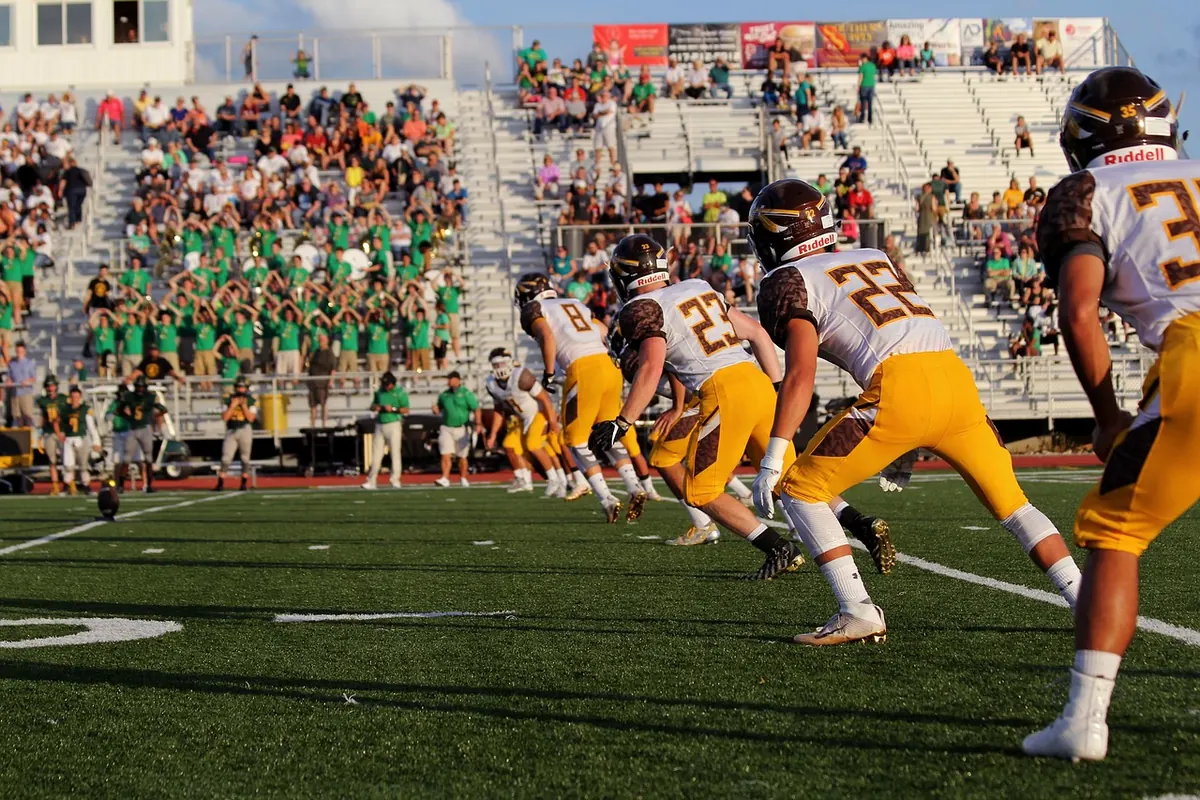
Photo: Franco Monsalvo / Pexels
A practical seasonal checklist for borough residents covering emergency kits, snow emergency rules, power outages,...
Borough High opens its football season under the lights next month. Here's what to know about the squad, the rivalry...
October 10, 2026 - News
October 08, 2026 - Community
Copyright © 2026 Borough Herald. All Right Reserved.