Winter Weather Preparedness Checklist for Borough Residents
October 10, 2026 - News

October 10, 2026 - News
October 08, 2026 - Community
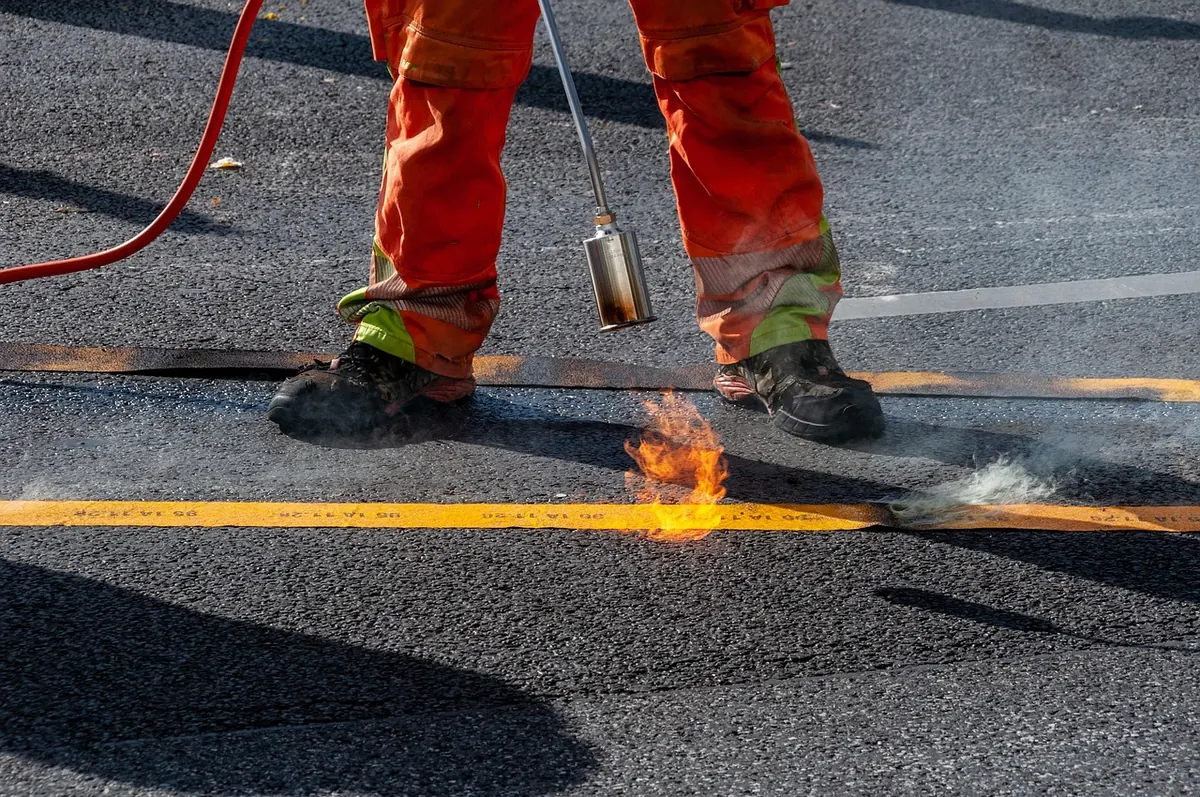
You hit it at 7:45 a.m., coffee in one hand, and the whole car lurches. The pothole on your commute has been there for weeks. You reported it. Nothing happened. Before you blame the crew, consider what your report actually said.
Public works departments want to fill potholes. They have the trucks, the asphalt, and the schedule. What they often lack is a clear, actionable description of where the damage is and how bad it is. A few small changes to how you report a road defect can move it from a forgotten email to a work order.
Crews triage hundreds of reports. A vague submission—"big pothole on Main"—gets a low priority because it could mean any of a dozen spots. A precise report with a photo and a cross street can be dispatched the same week. The difference isn't bureaucracy. It's information.
"Elm Avenue" is not a location. Elm Avenue might run for miles. Give the nearest cross street, a house number, or a landmark. Add the direction of travel and the lane. "Northbound Elm, just past Oak Street, in front of the blue mailbox" is a report a crew can act on.
Size and depth matter. A shallow dip is a bump; a deep crater can damage rims and alignments. Describe it with something familiar: "about the size of a dinner plate," "deep enough to swallow a shoe." Mention if it's in a crosswalk, near a driveway, or in a bike lane. Also note the road type. A pothole in a private parking lot or on a state highway may belong to a different agency. If the pavement is collapsing or a sinkhole is forming, call the emergency line—don't use the routine reporting form.
Social media is good for a warning, not for a work order. A post in a neighborhood group might get sympathy, but it rarely reaches the crew scheduler. Use the official 311 line, the city app, the public works website, or the state transportation department's reporting form. If you're not sure who owns the road, call 311 and ask. They can route it.
Reports can slip through. Save the confirmation number or email. If nothing changes in a week or two, follow up politely. Ask for the work order number. Don't file the same report every day—duplicates slow down the system. One clear follow-up after a reasonable wait is enough.
Never stand in traffic to take a photo. Never type a report while driving. Pull over safely, or make the report when you get home. Timing helps, too. After a freeze-thaw cycle, potholes bloom and crews are swamped. Report as soon as you can, but understand that a backlog may delay repairs. If a pothole is causing immediate danger—cars swerving into oncoming traffic—call the non-emergency police line.
A dark, blurry shot from across the street tells a crew nothing. Take two photos: one close-up with an object for scale (a coin, a water bottle, your foot—only if it's safe), and one wider shot that shows the surrounding street and landmarks. Include a street sign if you can. Daylight is your friend. If photos aren't possible, a careful written description works.
Everyone thinks the neighbor called. The neighbor thinks you did. Meanwhile, the pothole stays. Reporting takes two minutes. You don't need to be the first; you just need to be the one who does it. If several people report the same defect, that's fine—it signals priority. But don't rely on someone else to start.
A good report takes less time than a coffee order. It gives crews exactly what they need to schedule a repair, and it saves you from hitting the same crater tomorrow. Next time you see a pothole, don't just swerve. Report it right.
Photo: wal_172619 / Pixabay
A practical seasonal checklist for borough residents covering emergency kits, snow emergency rules, power outages,...
Borough High opens its football season under the lights next month. Here's what to know about the squad, the rivalry...
October 10, 2026 - News
October 08, 2026 - Community
Copyright © 2026 Borough Herald. All Right Reserved.